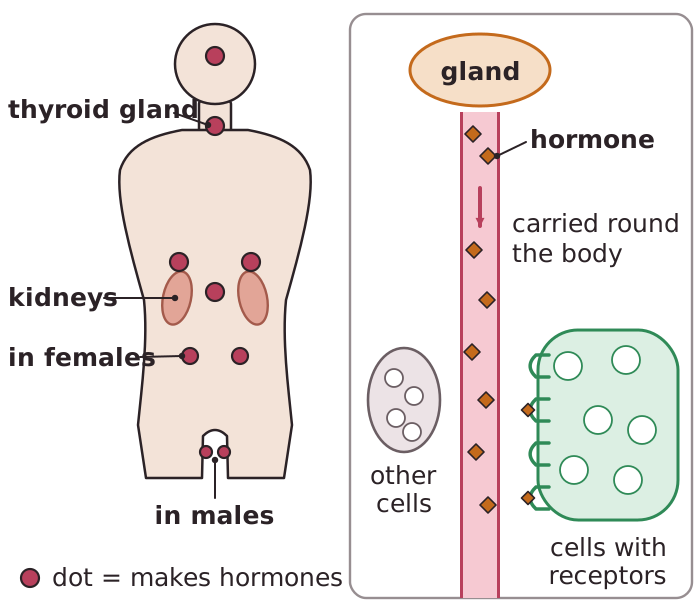
Hormones are chemical messengers. They are made in endocrine glands, which release them straight into the blood. The blood carries a hormone around the whole body, but it only changes the cells of its target organs, the organs that have the right receptors for that hormone.
The main endocrine glands are:
- the pituitary gland in the brain, which releases hormones such as FSH, LH and TSH;
- the thyroid gland in the neck, which makes thyroxine;
- the pancreas, which makes insulin and glucagon;
- the adrenal glands, above the kidneys, which make adrenalin;
- the ovaries, which make oestrogen and progesterone;
- the testes, which make testosterone.
Because hormones travel in the blood, their effects are usually slower than a nerve impulse, but they often last longer.