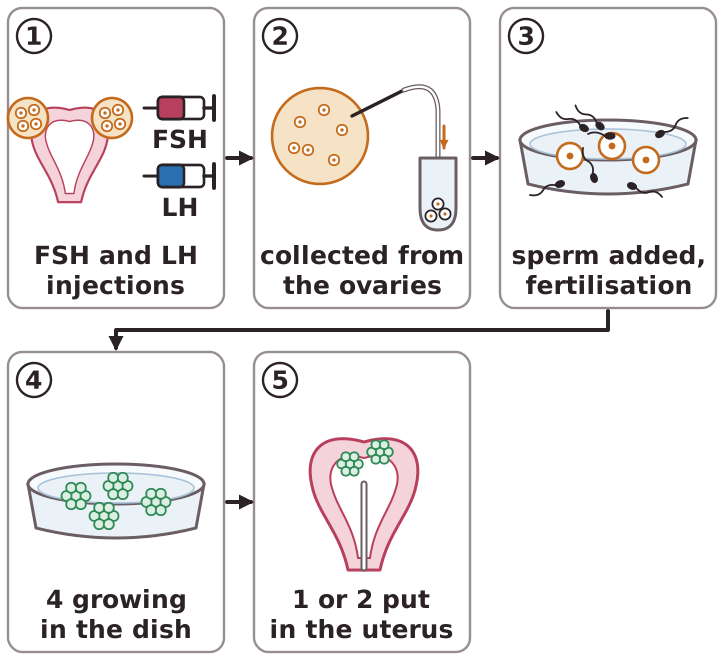
Some couples find it hard to conceive. Assisted Reproductive Technology (ART) uses hormones to help. One cause of infertility is that a woman does not release eggs because her levels of FSH and LH are too low. Clomifene therapy is a drug taken as a tablet. It causes the pituitary gland to release more FSH and LH. FSH makes follicles in the ovaries develop and LH triggers ovulation, so an egg is released and pregnancy becomes possible.
IVF (in vitro fertilisation) is used when other treatments have failed. First, the woman is given injections of FSH and LH, which make several eggs mature at the same time. The eggs are collected from her ovaries and mixed with sperm in a laboratory dish, where fertilisation takes place. The fertilised eggs grow into tiny embryos, and one or two healthy embryos are put into the uterus. Hormones such as progesterone may then be given to maintain the lining of the uterus so that an embryo can implant.
IVF can give a child to couples who could not have one otherwise, but it has drawbacks. The success rate is quite low, and many couples need several attempts. It is expensive and can be stressful. The hormones can cause side effects, and putting in more than one embryo can lead to multiple births, which carry a higher risk for mother and babies.