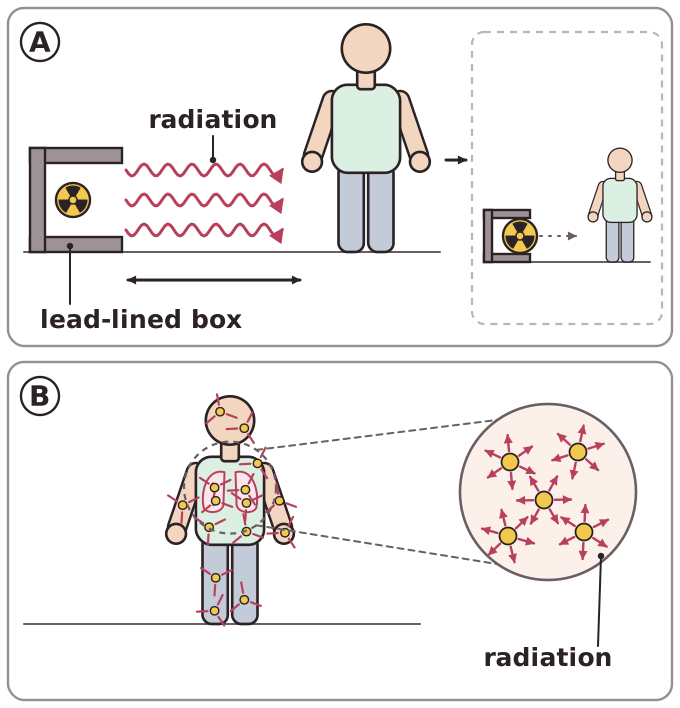
Irradiation is exposure to radiation from a source outside the body. The irradiated object does not become radioactive, and the exposure stops when the source is removed or the person moves away. Shielding, distance and short exposure times all protect against irradiation.
Contamination means that unwanted radioactive atoms get onto or into an object or person, for example as dust or spilled liquid, or by being breathed in or swallowed. The contaminated object stays radioactive and keeps irradiating until the atoms decay or are removed. Gloves, masks, protective suits, sealed boxes and washing protect against contamination.
Contamination is often the more hazardous of the two, because radioactive atoms inside the body irradiate tissue all the time and cannot be moved away from. An alpha emitter inside the body is especially dangerous, because alpha particles are strongly ionising and are absorbed by the surrounding tissue. Outside the body alpha particles are stopped by skin, so an alpha source outside is much less of a risk.