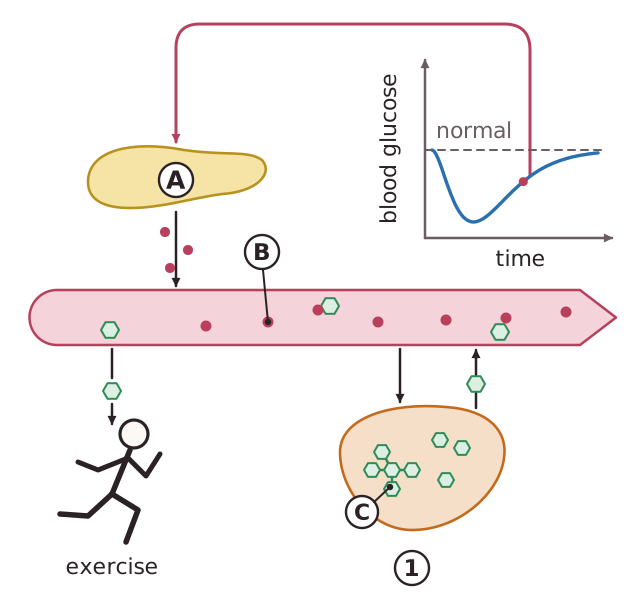
Insulin lowers blood glucose, but the body also needs a way to raise it when it falls too low, for example between meals or during exercise. This is the job of the hormone glucagon. When the blood glucose concentration is too low, the pancreas detects this and secretes glucagon into the blood.
Glucagon travels in the blood to the liver, which is its target organ. It makes liver cells convert stored glycogen back into glucose. The glucose is released into the blood, so the blood glucose concentration rises back towards normal. This gives cells a steady supply of glucose for respiration.
Insulin and glucagon work in opposite ways, and together they form a negative feedback system. High glucose leads to insulin and a fall in glucose. Low glucose leads to glucagon and a rise in glucose. This keeps the concentration within narrow limits.