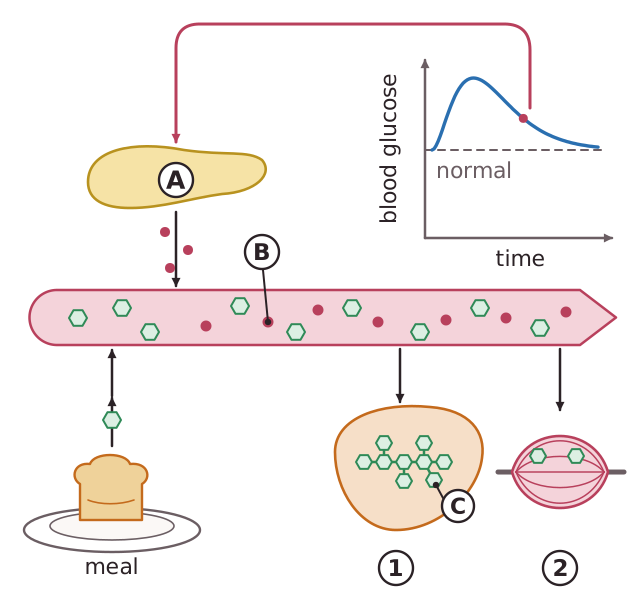
Blood glucose concentration must stay fairly constant, because cells need glucose for respiration. After a meal, glucose from digested carbohydrate is absorbed into the blood and the concentration rises. This rise is detected by cells in the pancreas, which responds by secreting the hormone insulin into the blood.
Insulin is carried in the blood plasma to its target organs, mainly the liver and the muscles. It makes the cells take up glucose from the blood. In the liver, the glucose is converted into glycogen, a storage carbohydrate. Muscle cells also take in glucose and use it for respiration or store it as glycogen. As glucose leaves the blood, the blood glucose concentration falls back towards normal.
This is an example of negative feedback. When the glucose concentration is too high, insulin is released to lower it. When the concentration has returned to normal, the pancreas stops releasing so much insulin, so the glucose concentration does not fall too far.