 BRAINCAKE
Hydrogen Bonds
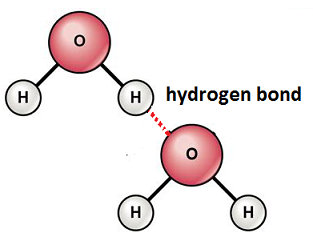
Hydrogen bonding occurs when hydrogen is bonded to a very small, highly electronegative atom (nitrogen, oxygen or fluorine). The δ+ hydrogen atom is attracted to a lone pair on an N, O or F atom of a neighbouring molecule.
Hydrogen bonding is only significant when hydrogen is bonded to nitrogen, oxygen or fluorine.
Hydrogen bonds are not always the strongest of all intermolecular attractions. This is true for water but not true for the majority of molecules.
Sign in free to see the rest of this lesson, the R.E.C.I.P.E. recall steps and the quiz
BrainCake is free. Make an account in seconds and pick up where this page stops.
Key terms in this lesson
- lone pair
- A pair of outer shell electrons on an atom that is not involved in bonding.
More in Discrete Molecules
- Shape and Polarity
- Polyatomic Ions
- London Forces
- Permanent Dipoles
- Intermolecular Forces and Boiling Points
- Anomalous Properties of Water
- Solvents
- Dissolving Ionic Solids
All 25 lessons in Discrete Molecules · All Edexcel AS-level Chemistry topics