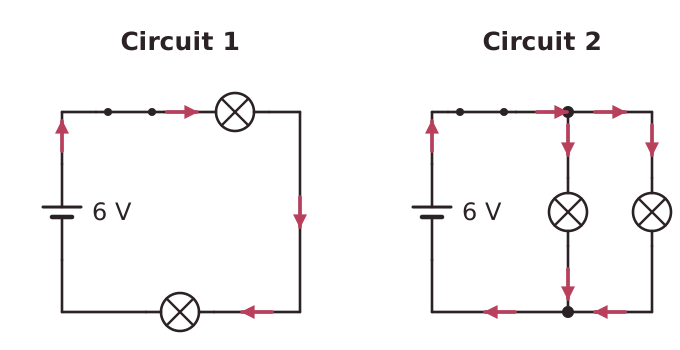
In a series circuit the components are connected one after another in a single loop. The current is the same at every point in the circuit. The potential difference of the supply is shared between the components. If one component breaks, the loop is broken and all the components go out.
In a parallel circuit the components are on separate branches. The current from the cell splits at a junction, passes through the branches, and then joins up again. Each branch has the same potential difference as the cell. For example, two lamps in parallel with a 6 V battery each have 6 V across them.
If one branch of a parallel circuit breaks, current still flows in the other branches, so those lamps stay on. This is why household lights are wired in parallel.