Water that is safe to drink is called potable water. Potable water is not the same as pure water, because it can still contain dissolved substances as long as they are harmless. How the water is made potable depends on where it comes from.
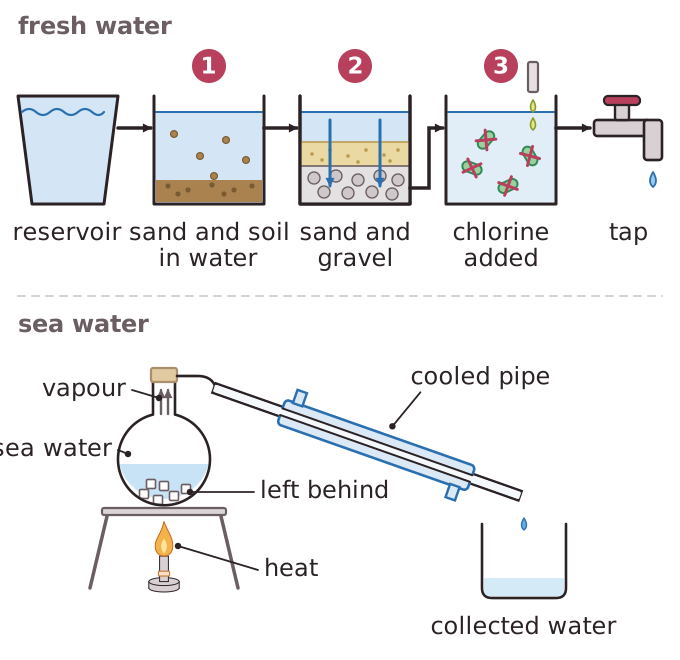
Fresh water, such as ground water, and waste water that has already had harmful substances removed, is treated in three stages. In sedimentation large solid pieces settle to the bottom of a tank, which makes the next stage work better. In filtration the water passes through beds of sand and gravel, which remove small insoluble particles. In chlorination chlorine is added to kill microorganisms, so the water is safe to drink.
Sea water contains a lot of dissolved salts, and filtration cannot remove them because dissolved substances pass through a filter. Sea water is made potable by distillation. It is heated so that the water evaporates, and the vapour is cooled and condenses as liquid water, leaving the salts behind. Distillation needs a large amount of energy, so it is expensive. Water used in chemical analysis must not contain any dissolved salts, so distilled water is used.