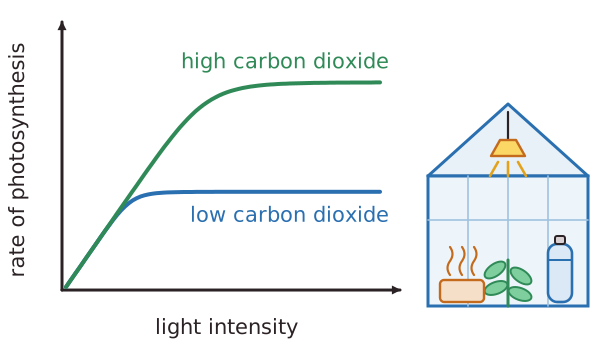
The three factors do not work alone. At any moment the rate of photosynthesis is set by whichever factor is in the shortest supply. If you increase a factor that is not limiting, the rate does not change. If you increase the limiting factor, the rate rises until a different factor becomes limiting and the graph levels off in a plateau.
For example, on a cold, bright day with plenty of carbon dioxide, temperature is the limiting factor. More light will not help, but warming the plant will. At night, light is the limiting factor for any plant, whatever the temperature.
On a graph, two curves for the same plant can plateau at different heights. The curve measured with more carbon dioxide reaches a higher plateau, because carbon dioxide was limiting the other curve. The plateau of each curve is set by a different limiting factor.
Growers use this idea in greenhouses. They heat the greenhouse, switch on lamps and add extra carbon dioxide to raise the rate. They only add what is limiting, because increasing anything else wastes money.