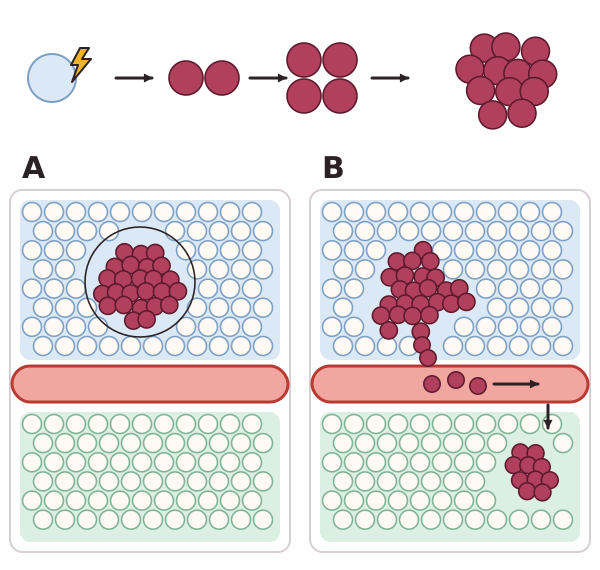
Cell division by mitosis is controlled. The body makes new cells only when they are needed, for example to replace damaged cells. Cancer is the result of changes in cells that lead to uncontrolled cell division. A change in the genes of a cell, called a mutation, can make it ignore these controls. The cell then divides again and again without control, and so do its daughter cells.
The cells build up into a lump called a tumour. Tumours can be benign or malignant. Cells from a benign tumour stay in one place and do not invade nearby tissue, although the lump may press on organs. Cells from a malignant tumour invade neighbouring tissues and can spread to other parts of the body in the blood, where they form secondary tumours. Malignant tumours are cancers.
Anything that increases the chance of a harmful change in the genes of a cell, such as smoking or too much ultraviolet radiation from the sun, can raise the risk of cancer.