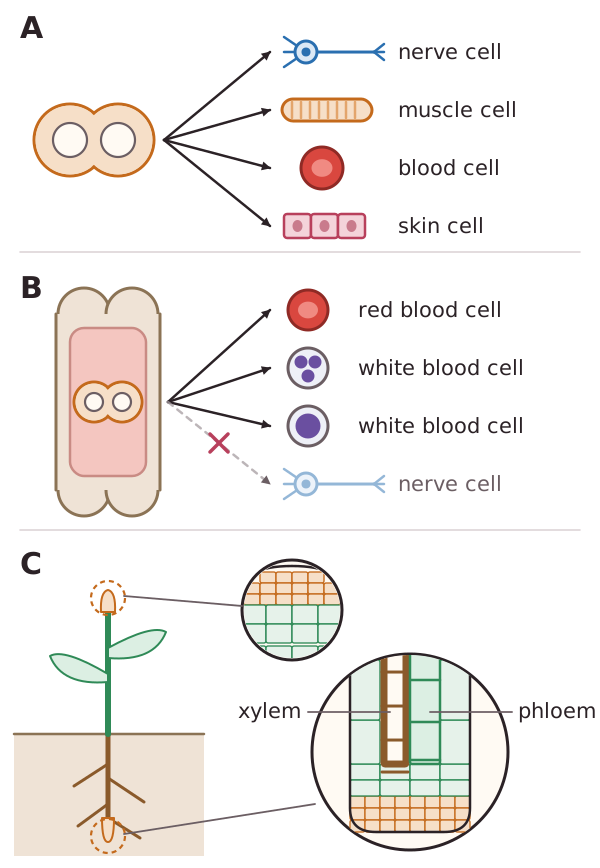
A stem cell is an undifferentiated cell. It has not yet become specialised, and it can divide to make new cells. Some of those new cells then differentiate, which means they become specialised for one job.
Embryonic stem cells come from an early embryo. They can differentiate into any type of cell, such as nerve, muscle or blood cells, so they can form all the tissues of the body as the embryo grows.
Adult stem cells are found in animals after birth, for example in bone marrow. They replace and repair damaged cells, but they can form only a limited range of cell types. Bone marrow stem cells can make blood cells but not nerve cells.
In plants, the stem cells are found in meristems. These are regions at the tips of roots and shoots where cells keep dividing throughout the life of the plant. The new cells elongate and differentiate into cell types such as xylem and phloem, so the plant can keep growing.