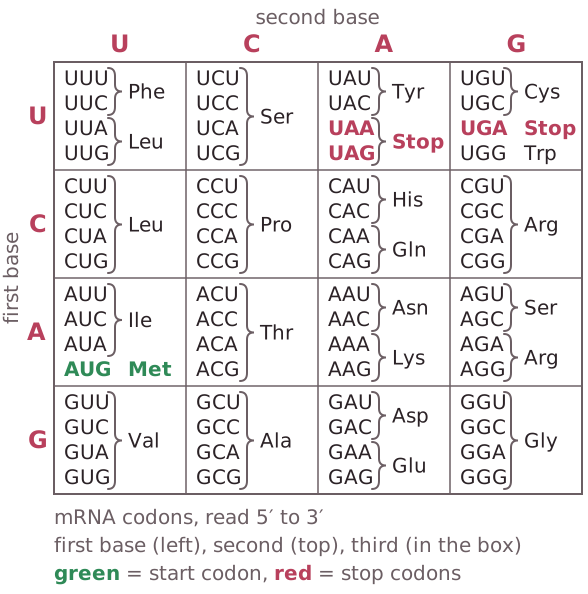
DNA is the hereditary material.Identical copies are passed from cell to cell and from generation to generation.In this way DNA passes genetic information to each new cell that arises from cell division.DNA is adapted to carry out its function:DNA is very stable and can be replicated many times from generation to generation without changes.Base-pairing allows the molecule to be copied and replicated.The bases point inwards and are protected from chemical and physical damage by the sugar-phosphate backbone.The hydrogen bonds between the two strands are easily broken when the DNA needs to be copied during DNA replication and protein synthesis.DNA is a large molecule and can store vast quantities of information on how amino-acids are to be assembled to make proteins.The sequence of bases on the DNA determine the primary structure of a polypeptide.