 BRAINCAKE
ATP
ATP (adenosine triphosphate) is the immediate source of energy for reactions in cells. It is a phosphorylated nucleotide made of three parts: the nitrogenous base adenine, the pentose sugar ribose and a chain of three phosphate groups.
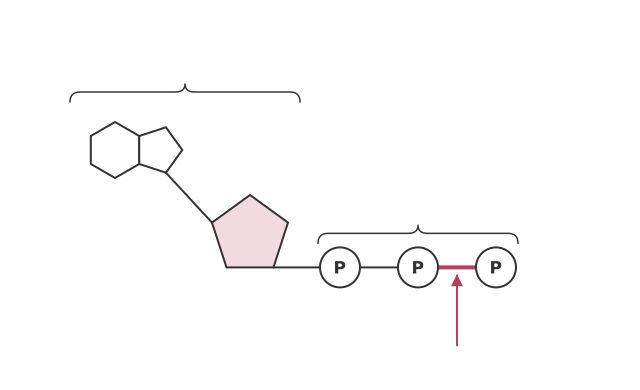
When the enzyme ATP hydrolase (ATPase) hydrolyses the bond to the terminal phosphate, ATP becomes ADP (adenosine diphosphate) and an inorganic phosphate (Pi), releasing about 30.5 kJ mol−1 of energy:
Sign in free to see the rest of this lesson, the R.E.C.I.P.E. recall steps and the quiz
BrainCake is free. Make an account in seconds and pick up where this page stops.
Key terms in this lesson
- atp synthase
- An enzyme in membranes that catalyses the synthesis of ATP from ADP and inorganic phosphate, using the energy of a proton gradient.
More in Cellular Respiration
- Cellular Respiration
- Aerobic Respiration
- Respiration in the Cytoplasm
- Mitochondria
- Hydrogen Acceptors
- Investigating the Rate of Respiration
- Investigating the Site of ATP Synthesis
- Glycolysis
All 20 lessons in Cellular Respiration · All Edexcel A-level Biology topics