 BRAINCAKE
Glycolysis
Glycolysis (sugar splitting) is the first stage of both aerobic and anaerobic respiration. It takes place in the cytoplasm and converts one molecule of glucose (6C) into two molecules of pyruvate (3C).
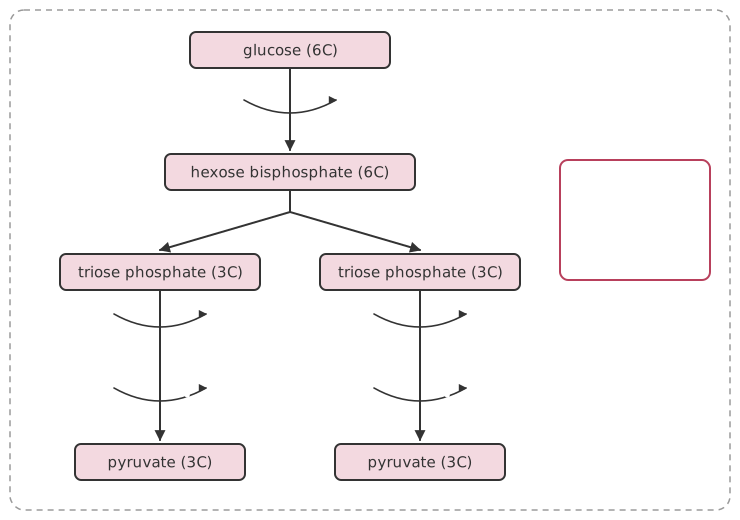
The main steps are:
1. Phosphorylation: two ATP molecules are hydrolysed and their phosphate groups are added to glucose, forming hexose bisphosphate. This makes the sugar more reactive.
2. Splitting: hexose bisphosphate splits into two 3-carbon molecules of triose phosphate.
3. Oxidation: hydrogen is removed from each triose phosphate by a dehydrogenase and accepted by NAD, forming reduced NAD.
Sign in free to see the rest of this lesson, the R.E.C.I.P.E. recall steps and the quiz
BrainCake is free. Make an account in seconds and pick up where this page stops.
Key terms in this lesson
- nad
- A coenzyme (nicotinamide adenine dinucleotide) that acts as a hydrogen acceptor in respiration, becoming reduced when it accepts hydrogen from a substrate.
More in Cellular Respiration
- Mitochondria
- Hydrogen Acceptors
- Investigating the Rate of Respiration
- Investigating the Site of ATP Synthesis
- Anaerobic Respiration in Mammals
- Lactate
- Sprint Athletes
- Anaerobic Respiration in Plants and Fungi
All 20 lessons in Cellular Respiration · All Edexcel A-level Biology topics