 BRAINCAKE
Homeobox Genes
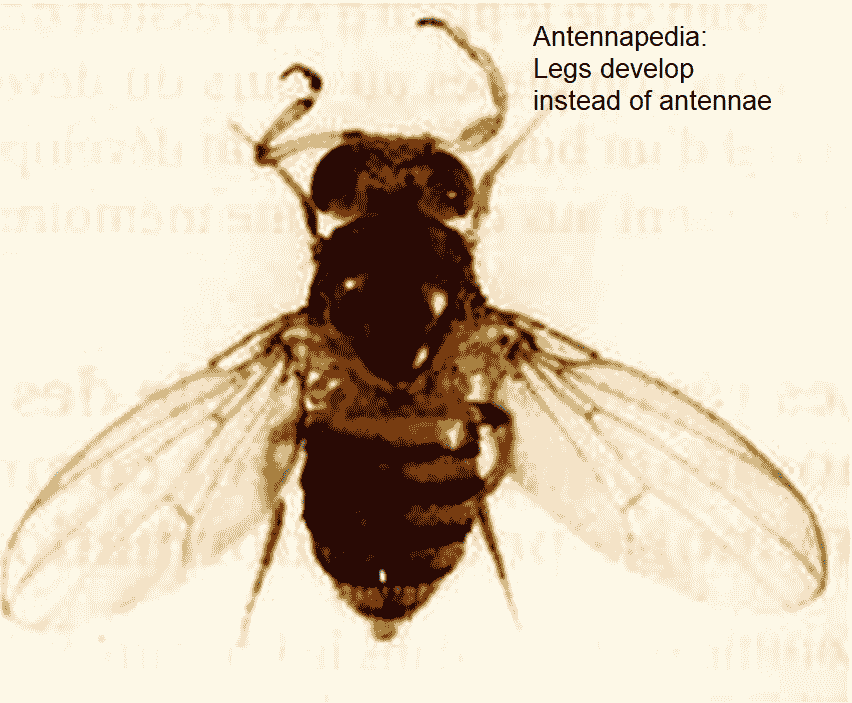
Homeobox genes are a group of genes which contain a particular sequence of 180 bases called a homeobox. The homeobox is highly conserved in plants, animals and fungi and codes for some 60 amino-acids of the protein. The homeodomain can bind to DNA and switch genes on and off. Some people think that humans and mice had a common ancestor and subsequent mutations and evolution led to 2 different organisms.
Sign in free to see the rest of this lesson, the R.E.C.I.P.E. recall steps and the quiz
BrainCake is free. Make an account in seconds and pick up where this page stops.
Key terms in this lesson
- mutation
- A random change in the base sequence of DNA (a gene mutation) or in the structure or number of chromosomes (a chromosome mutation).
- Hox gene
- A homeobox gene found only in animals, organised in clusters, that determines the identity and position of body segments along the anterior-posterior axis.
More in Genetics and Variation
- cyclic AMP
- Post-transcriptional control
- Translational Control
- Post-translational Control
- Body Plans
- Apoptosis
- Regulatory Genes
- Variation
All 36 lessons in Genetics and Variation · All AQA A-level Biology topics