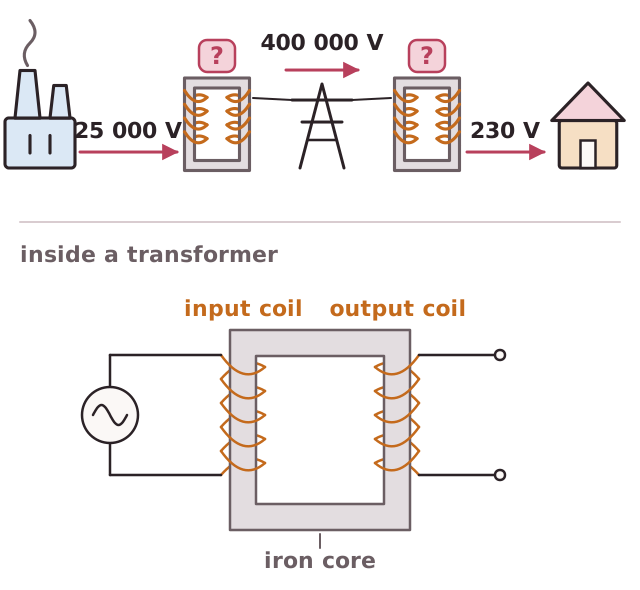
A transformer changes the potential difference of an electrical supply. It is made from two coils of wire wound on an iron core, and it only works with alternating current. Transformers are used at several points in the national grid.
A step-up transformer raises the potential difference. One is used at the power station, for example to raise 25 000 V up to 400 000 V before the power is transferred along the cables. A step-down transformer lowers the potential difference. These are used in each locality to bring the voltage down in stages to about 230 V for homes.
Transformers change the potential difference but they do not create energy. They are very efficient, so very little energy is wasted in them.