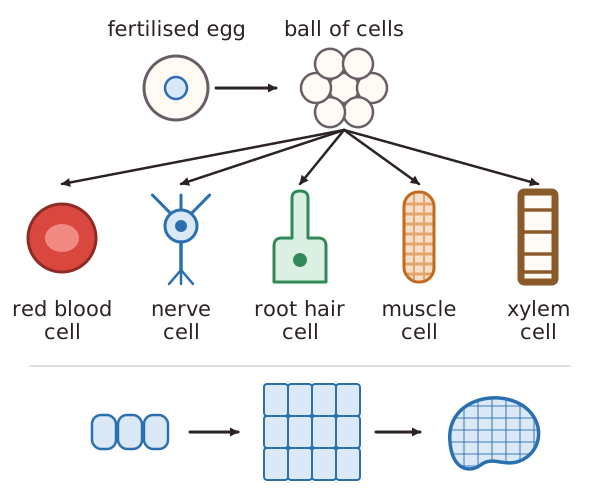
A multicellular organism begins as a single cell, and its cells are all alike at first. As the organism develops, cells go through differentiation. This means that they change to become specialised cells, each with a structure suited to its job.
Differentiation is important because it allows the body to have many different types of cell doing different jobs. For example, a nerve cell is long and carries electrical impulses, a red blood cell contains haemoglobin to carry oxygen, and a muscle cell can contract to cause movement. In plants, root hair cells absorb water and xylem cells carry water up the plant.
Specialised cells are grouped into tissues, which form organs. Because each type of cell does its job efficiently, the organism can carry out all its life processes.