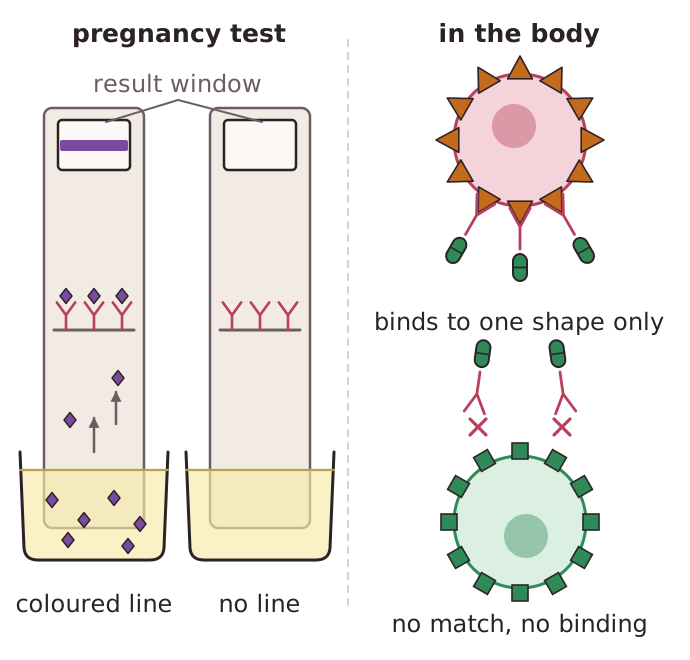
A monoclonal antibody binds to only one type of antigen, so it can be used to find or attack one specific molecule or cell. In a pregnancy test, the strip contains monoclonal antibodies that bind to the hormone hCG, which is found in the urine of a pregnant woman. When hCG is present it binds to the antibodies and a coloured line appears. If there is no hCG, there is no line.
In diagnosis, monoclonal antibodies are given a radioactive or fluorescent label and injected into the patient. They bind to antigens on cancer cells, or to a protein found in a blood clot. A scanner detects the label and shows the position of the cancer cells or the blood clot in the body, so doctors can locate them.
In treatment, a drug is attached to the monoclonal antibody. The antibody binds to antigens on the cancer cells and delivers the drug directly to them, so the drug acts on the cancer.
This is an advantage over chemotherapy and radiotherapy. Those treatments also damage healthy cells and cause side effects. Monoclonal antibodies target specific cells, so healthy cells are less harmed and there are fewer side effects.