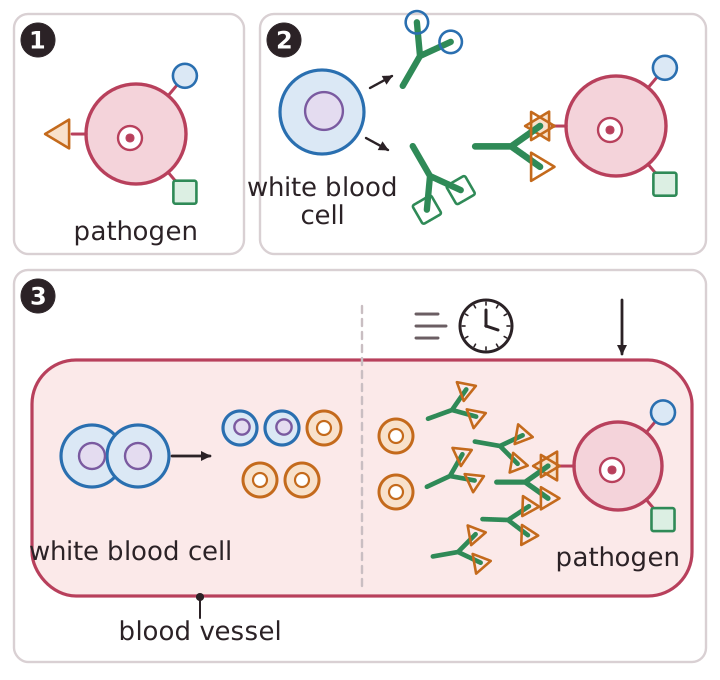
Every pathogen has molecules on its surface called antigens. When a pathogen enters the body, the person is exposed to its antigens. The antigens trigger an immune response. White blood cells called lymphocytes make antibodies. Each antibody is specific to one antigen, so it only fits the pathogen that triggered it. The antibodies bind to the pathogen and help to destroy it.
The antigens also trigger some lymphocytes to become memory lymphocytes. These stay in the blood after the infection has gone. If the same pathogen enters the body again, the memory lymphocytes respond quickly. This is the secondary response. Antibodies are made faster and in larger amounts than in the first response, so the pathogen is destroyed before the person becomes ill and they are less likely to catch the disease.