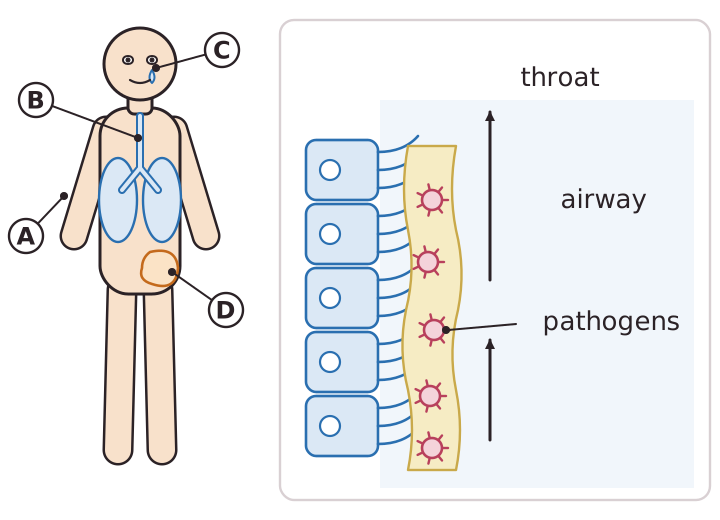
The body has defences that stop pathogens getting in. The skin is a physical barrier that most pathogens cannot pass through. In the airways, mucus is sticky and traps pathogens that are breathed in. Tiny hairs called cilia line the airways and sweep the mucus up to the throat, where it can be swallowed. If the cilia are damaged, for example by smoking, trapped pathogens are removed less effectively, so the risk of infection increases.
There are also chemical defences. Lysozymes are enzymes found in tears and saliva. They break down the cell walls of bacteria and so kill them. The stomach produces hydrochloric acid, which kills many pathogens that are swallowed with food and drink.