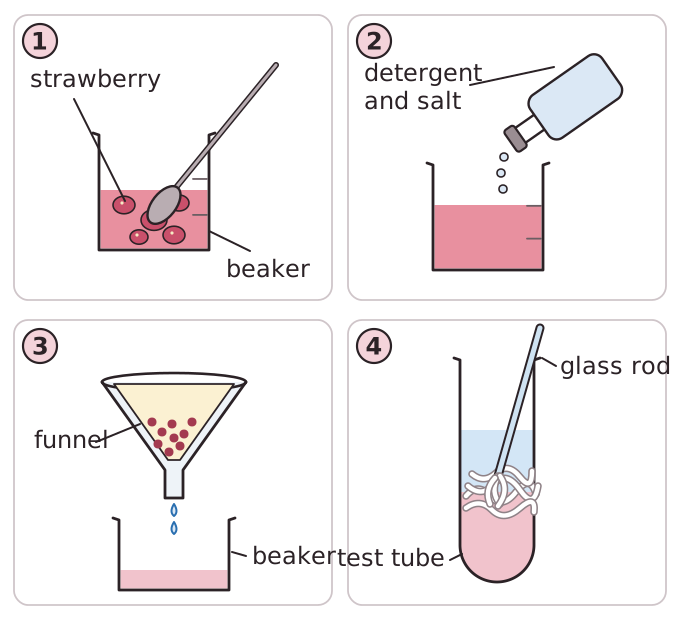
DNA can be extracted from fruit such as strawberries. First the fruit is mashed to break up the tissue and separate the cells. A mixture of detergent and salt is added. The detergent breaks down the cell membranes, including the membrane around the nucleus, so the DNA is released. The salt helps the DNA to clump together.
The mixture is then filtered to remove the solid debris, such as cell walls and fragments. Ice-cold ethanol is poured slowly down the side of the tube. DNA is insoluble in ice-cold ethanol, so it comes out of solution and forms white strands where the two liquids meet. The strands can be lifted out with a glass rod.
Once extracted, the DNA is a long molecule. The order of bases in a section of DNA decides the order of amino acids in a protein. A group of three bases codes for one amino acid. The chain of amino acids then folds into a specific shape. This shape lets the protein do its job. An enzyme, for example, has a shape that fits its substrate. A different order of bases gives a different order of amino acids and so a different shape.