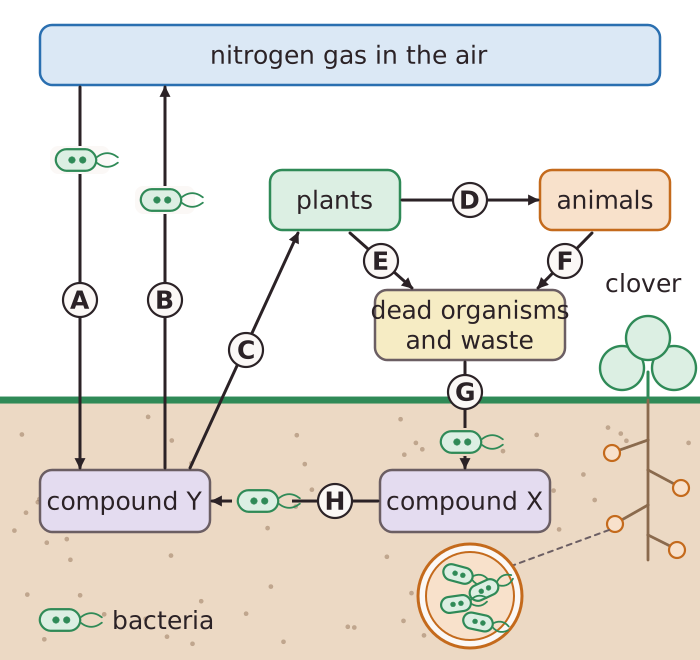
Plants need nitrates from the soil to make amino acids, which are joined to make proteins for growth. Air is about 78% nitrogen gas, but plants and animals cannot use it directly. Bacteria make nitrogen available in the nitrogen cycle.
Decomposers break down proteins and urea in dead organisms and waste, which releases ammonia. Nitrifying bacteria in the soil convert ammonia into nitrates. Nitrogen-fixing bacteria change nitrogen gas into nitrogen compounds such as nitrates. Some live free in the soil, and some live in swellings called root nodules on legumes such as peas, beans and clover. Denitrifying bacteria do the reverse and turn nitrates back into nitrogen gas, which reduces soil fertility, especially in waterlogged soil.
When a farmer harvests a crop, the nitrates it took up are removed, so the soil loses nitrates. Fertilisers replace them. Natural fertilisers include manure, and artificial fertilisers are made in factories. Another method is crop rotation, which means growing a different crop in a field each year. Including a legume crop in the rotation lets nitrogen-fixing bacteria in its root nodules add nitrates to the soil for the next crop.