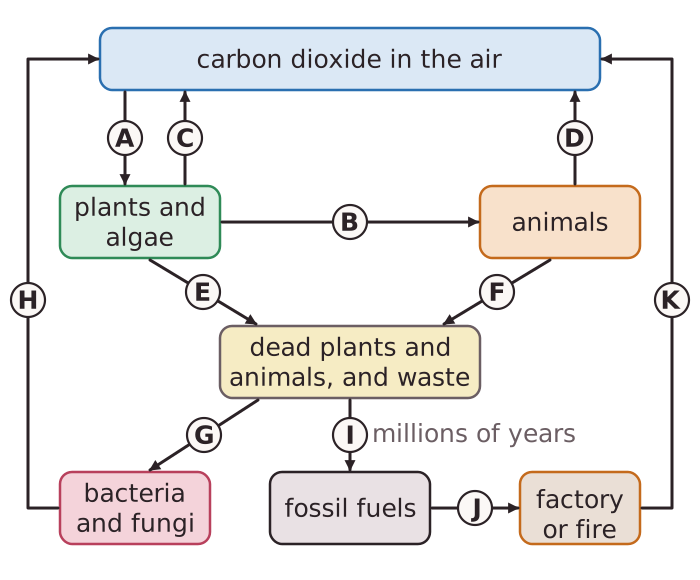
The carbon cycle moves carbon between the air, living things and the soil. Carbon is found in the air as carbon dioxide. Plants and algae remove it by photosynthesis and use the carbon to make glucose, which is then turned into carbohydrates, fats and proteins. Animals get carbon compounds by feeding on plants or on other animals.
Carbon dioxide returns to the air in several ways. Plants, animals and microorganisms all release it by respiration. Burning wood and fossil fuels, called combustion, also releases it. Fossil fuels formed over millions of years from the remains of dead organisms that were not broken down.
Dead plants and animals, and waste, are broken down by decomposers. These are microorganisms, mainly bacteria and fungi. They release carbon dioxide when they respire, and they return other nutrients to the soil.
The cycle is important because it makes carbon available again for new organisms and keeps the amount of carbon dioxide in the air fairly steady. Burning fossil fuels and cutting down forests increase the amount of carbon dioxide in the air.