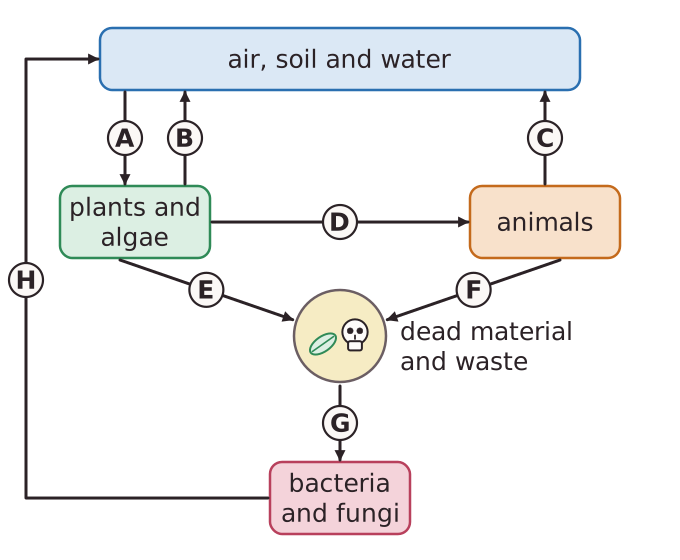
The Earth does not gain new matter, and the supply of elements such as carbon and nitrogen is limited. They must therefore be reused again and again. Materials cycle between the abiotic components of an ecosystem, which are the non-living parts such as air, soil and water, and the biotic components, which are the living organisms.
Producers, which are plants and algae, take materials from the abiotic components. For example, they take carbon dioxide from the air and water and minerals from the soil. Consumers get these materials by feeding on producers or on other animals.
Living organisms return materials to the environment by respiration and excretion. When organisms die, and when they produce waste, decomposers, which are bacteria and fungi, break the material down and return it to the soil and air. Producers can then take it up again. Without decomposers, nutrients would stay locked in dead bodies and the cycle would stop.