 BRAINCAKE
Defence Mechanisms
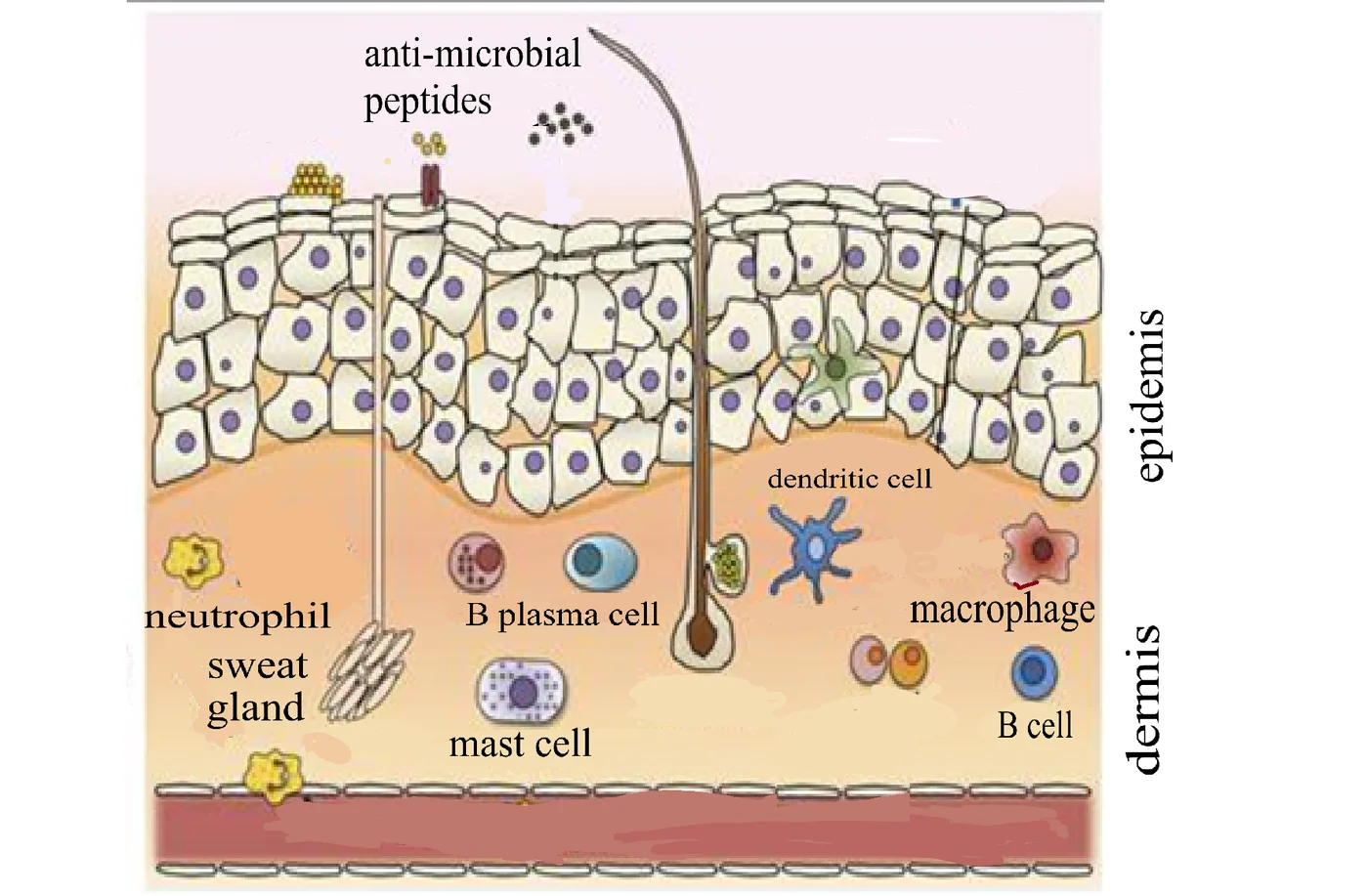
The body has specific and non-specific defence mechanisms.
Specific defence mechanisms involve white blood cells called B-lymphocytes and T-lymphocytes.
Non-specific defence mechanisms involve white blood cells called phagocytes and a range of other defence mechanisms.
Sign in free to see the rest of this lesson, the R.E.C.I.P.E. recall steps and the quiz
BrainCake is free. Make an account in seconds and pick up where this page stops.
Key terms in this lesson
- pathogen
- A microorganism, such as a virus, bacterium, fungus or protoctist, that causes disease.
- B-lymphocyte
- A type of white blood cell, matured in the bone marrow, responsible for the humoral immune response and antibody production.
- T-lymphocyte
- A type of white blood cell, matured in the thymus gland, responsible for the cell-mediated immune response.
- tissue fluid
- The fluid, formed by the filtration of blood plasma under hydrostatic pressure, that surrounds cells and supplies them with substances.
More in Cell Recognition and the Immune System
- The Immune System
- Lymphocytes and Phagocytes
- Recognising Self and Non-Self Cells
- Phagocytosis
- Antigens
- Lymphocytes
- Cell-Mediated Immunity
- Cytotoxic T-cells
All 30 lessons in Cell Recognition and the Immune System · All AQA AS-level Biology topics