 BRAINCAKE
Insulin
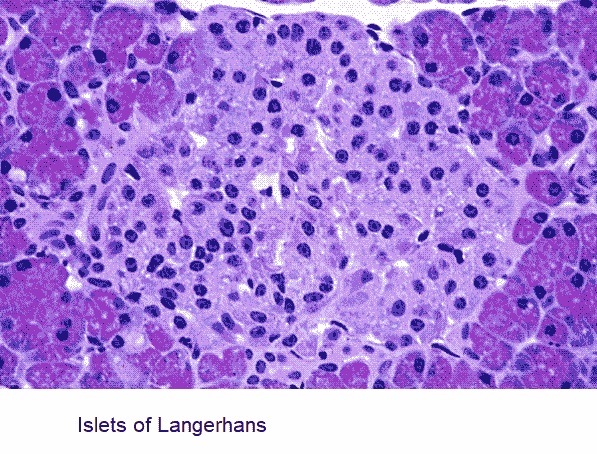
Insulin is produced by the beta cells of the islets of Langerhans in the pancreas. Beta cells detect a rise in the blood glucose concentration and secrete insulin into the blood. Te secretion of glucagon is inhibited. Almost all body cells except red blood cells have a glycoprotein insulin receptor on their cell surface membrane.
Sign in free to see the rest of this lesson, the R.E.C.I.P.E. recall steps and the quiz
BrainCake is free. Make an account in seconds and pick up where this page stops.
Key terms in this lesson
- Glycogenesis
- The conversion of excess glucose to glycogen for storage, mainly in the liver and muscles.
- Islets of Langerhans
- Groups of endocrine cells in the pancreas containing alpha cells, which secrete glucagon, and beta cells, which secrete insulin.
- Glucagon
- A hormone secreted by alpha cells of the islets of Langerhans in response to low blood glucose concentration that raises blood glucose concentration.
More in Hormonal Communication
- The Adrenal Glands
- Adrenal Cortex
- Adrenal Medulla
- Pancreas
- Blood glucose concentration
- Glucagon
- Mechanism of Insulin Secretion
- Diabetes Mellitus
All 11 lessons in Hormonal Communication · All OCR A-level Biology topics