 BRAINCAKE
Synapses
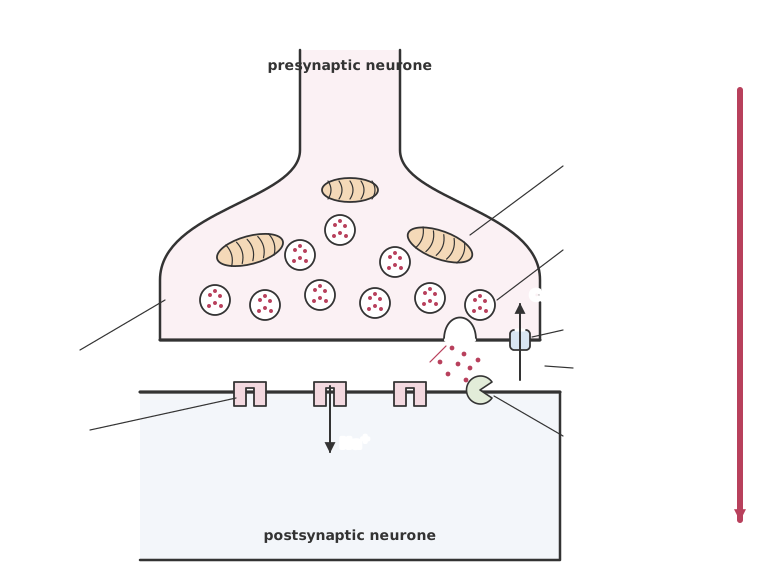
A synapse is the junction between two neurones, or between a neurone and an effector cell such as a muscle fibre (a neuromuscular junction). An action potential cannot cross the gap, so the signal is carried across by a chemical, a neurotransmitter.
A synapse has three parts:
• the presynaptic neurone ends in a swelling called the synaptic knob, which contains many mitochondria and synaptic vesicles full of neurotransmitter
• the synaptic cleft, a gap about 20 nm wide between the two cells
• the postsynaptic membrane, which has receptor proteins that bind the neurotransmitter
Sign in free to see the rest of this lesson, the R.E.C.I.P.E. recall steps and the quiz
BrainCake is free. Make an account in seconds and pick up where this page stops.
More in Mammalian Nervous System
- Hyperpolarisation
- Refractory Period
- Transmission of Nerve Impulses
- Saltatory Conduction
- Pre-synaptic Membrane
- Post-Synaptic Membrane
- Neurotransmitters
- Drugs
All 38 lessons in Mammalian Nervous System · All Edexcel A-level Biology topics