 BRAINCAKE
Gel Electrophoresis
Gel electrophoresis separates DNA fragments according to their length.
Method
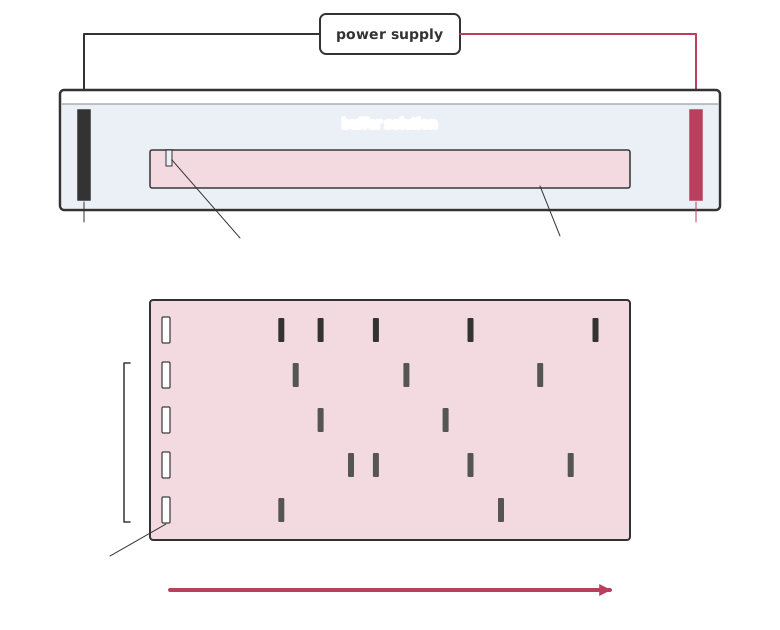
1. An agarose gel is made in a tank, with small wells cut at one end. The gel is covered with a buffer solution that conducts electricity.
2. The DNA samples are mixed with a loading dye and placed in the wells using a micropipette. A DNA ladder (a mixture of fragments of known lengths) is placed in one well for comparison.
3. An electric current is passed through the gel. The wells are at the negative electrode (cathode) end.
4. DNA is negatively charged because of the phosphate groups in its sugar-phosphate backbone, so the fragments move through the gel towards the positive electrode (anode).
Sign in free to see the rest of this lesson, the R.E.C.I.P.E. recall steps and the quiz
BrainCake is free. Make an account in seconds and pick up where this page stops.
More in Gene Sequencing
- DNA Sequencing
- Using DNA Sequencing
- Using DNA Sequencing to Manage Disease
- Introns and Satellite DNA
- DNA Profiles
- Southern Blotting and Gene Probes
- Forensic Science
- Paternity Testing
All 12 lessons in Gene Sequencing · All Edexcel A-level Biology topics