 BRAINCAKE
Epigenetic Control of Gene Expression
Epigenetic marks control whether RNA polymerase and transcription factors can reach a gene. There are two main mechanisms.
1. DNA methylation
A methyl group (CH3) is added to the base cytosine, usually where cytosine is next to guanine (CpG sites). The enzyme is DNA methyltransferase. Heavy methylation of a gene's promoter stops transcription factors binding and attracts proteins that condense the chromatin, so the gene is switched off. Removing methyl groups can switch it back on.
2. Histone modification
DNA is wrapped around histone proteins to form chromatin. Histones are positively charged, so they hold the negatively charged DNA tightly.
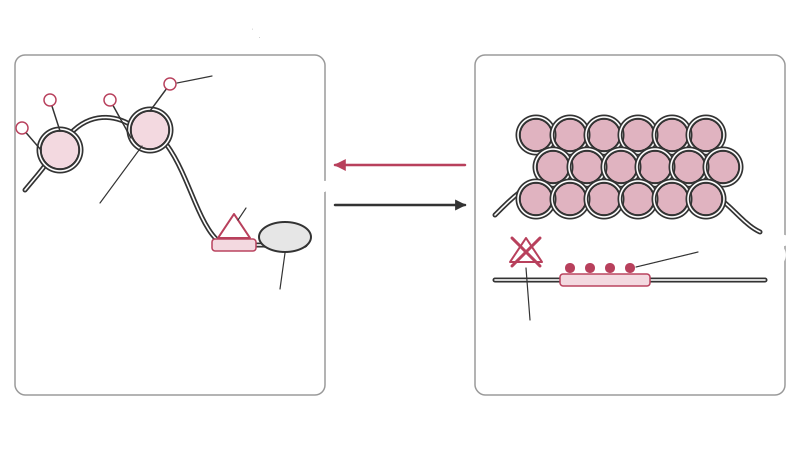
Sign in free to see the rest of this lesson, the R.E.C.I.P.E. recall steps and the quiz
BrainCake is free. Make an account in seconds and pick up where this page stops.
Key terms in this lesson
- tumour suppressor gene
- A gene whose protein product normally restrains cell division or promotes DNA repair, and whose loss of function can allow cancer to develop.
More in Gene Expression
- Determination of Cell Type
- Evidence for Cell Determination
- Development of an Organism
- Epigenetic Control of Development
- Stem Cell Therapy
- Therapeutic Cloning
- Gene Editing
- Potential Benefits of Stem Cell Therapy
All 39 lessons in Gene Expression · All Edexcel A-level Biology topics