 BRAINCAKE
Pathogens, DNA Barcoding
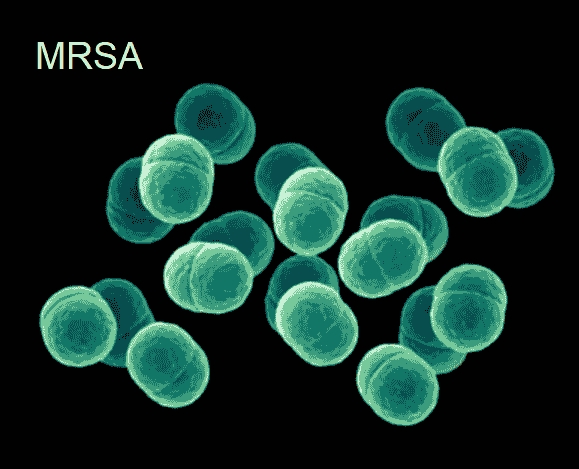
The genomes of several pathogens have been sequenced. This allows doctors to monitor the spread of diseases such as tuberculosis, identify resistant strains and identify proteins that could be useful drug targets. Sequencing a pathogens from groups of people can show the pattern of transmission.
Sign in free to see the rest of this lesson, the R.E.C.I.P.E. recall steps and the quiz
BrainCake is free. Make an account in seconds and pick up where this page stops.
Key terms in this lesson
- chloroplast
- The double-membrane-bound organelle in plant cells that is the site of photosynthesis, containing thylakoids (grana) and the stroma.
- mutation
- A random change in the base sequence of DNA (a gene mutation) or in the structure or number of chromosomes (a chromosome mutation).
More in Genetic Engineering and Biotechnology
- DNA Profiling
- The Polymerase Chain Reaction
- DNA Sequencing
- Automated Sequencing
- Genomics and Proteomics
- Recombinant DNA
- Genetic Engineering
- Genetically Engineering Different Organisms
All 17 lessons in Genetic Engineering and Biotechnology · All AQA A-level Biology topics