Ohm's Law states that for a metallic conductor kept at constant temperature the current in the conductor is directly proportional to the potential difference across it.
V = I R
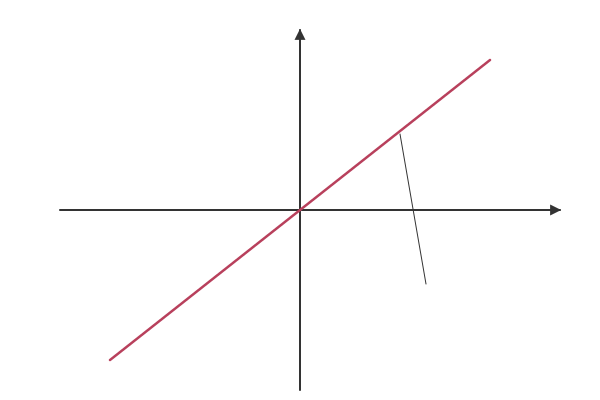
Ohm's Law states that for a metallic conductor kept at constant temperature the current in the conductor is directly proportional to the potential difference across it.
Read the text and highlight anything you think is important. When you go on, the text is hidden and you answer from memory.
Specification: OCR Physics A (H156), AS-level, 4.2.3 Resistance. Topic: Electricity.
All 30 lessons in Electricity · All OCR AS-level Physics topics
Every lesson in OCR AS-level Physics, with daily reviews and marked exam tests.
Try it for 7 days with no card.
Not sure yet? Try it first. No sign-up needed.
Already a member? Sign in.
We would like to use Google Analytics cookies to see which lessons help most. Nothing is set unless you accept. Privacy notice