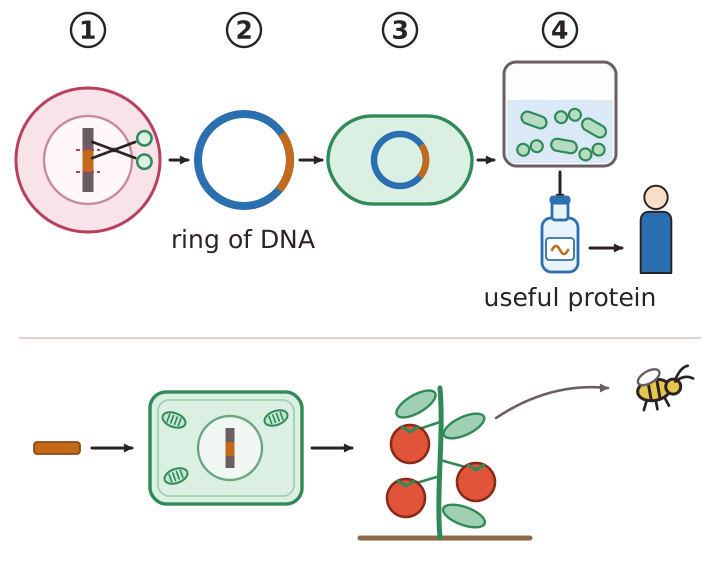
The genome of an organism is all of its genetic material. A gene is a section of DNA that codes for a protein. Genetic engineering modifies the genome of an organism by adding a gene, so that the organism gains a desirable characteristic. An organism that has been changed in this way is described as genetically modified (GM).
In selective breeding, breeders can only use the variation that already exists within a species, and it takes many generations. In genetic engineering, a gene can be transferred in a single step, even from a different species.
There are many examples. Some crops are given a gene from a bacterium so that they make a protein that harms insect pests. Golden rice is given genes so that it makes beta-carotene, which the body turns into vitamin A. Bacteria have been given the human gene for insulin so that they can make it in large amounts.