Oxidation and reduction can also be explained using electrons. Oxidation is the loss of electrons and reduction is the gain of electrons. A memory aid is OIL RIG: oxidation is loss, reduction is gain.
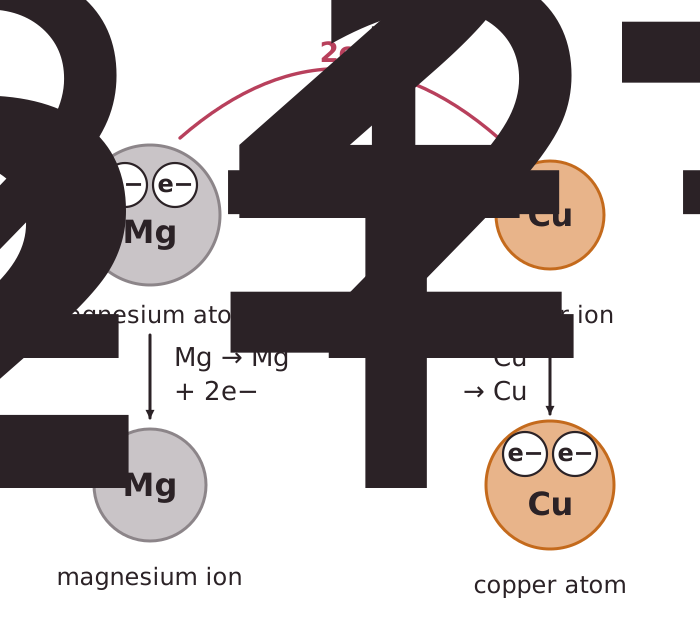
When magnesium reacts with copper sulfate solution, Mg + CuSO4 → MgSO4 + Cu, magnesium is more reactive and displaces copper. Each magnesium atom loses two electrons to become a magnesium ion: Mg → Mg2+ + 2e-. Magnesium is oxidised. Metals form positive ions by losing electrons, so a metal is oxidised whenever it forms ions.
Each copper ion in the solution gains two electrons to become a copper atom: Cu2+ + 2e- → Cu. The copper ions are reduced. The electrons lost by the magnesium are the electrons gained by the copper ions, so oxidation and reduction happen together.
The reducing agent donates electrons and is itself oxidised, so magnesium is the reducing agent. The oxidising agent accepts electrons and is itself reduced, so the copper ions are the oxidising agent.