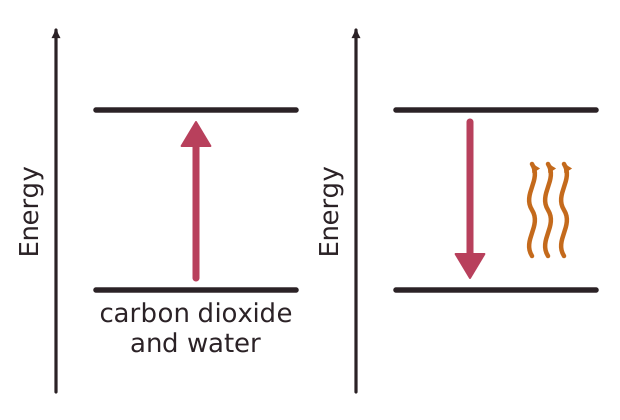
An endothermic reaction takes in energy from the surroundings. Photosynthesis is endothermic. It takes in light energy, usually from the Sun, and the energy is stored as chemical energy in the glucose that is made.
This means glucose contains more energy than the carbon dioxide and water used to make it. The extra energy is the light energy that was absorbed. Without a continuous supply of light, the reaction cannot carry on.
Compare this with a reaction such as respiration, which is exothermic. An exothermic reaction releases energy to the surroundings. When a plant or an animal respires, the energy stored in glucose is released. A chemical cold pack is a useful example of an endothermic reaction: when it is activated it takes in energy and the pack gets colder.