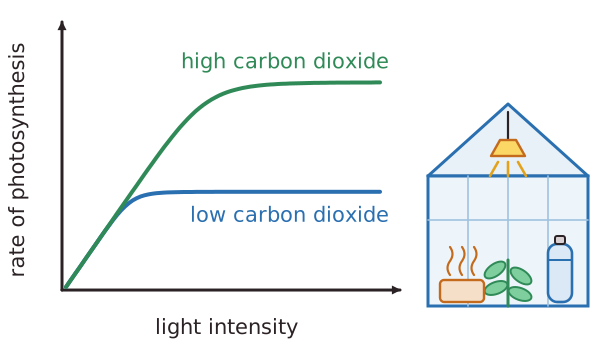
The rate of photosynthesis is controlled by whichever factor is in shortest supply. This is the limiting factor. It could be light intensity, carbon dioxide concentration or temperature.
On a graph of rate against one factor, the line rises while that factor is limiting. When the line goes flat, that factor is no longer limiting and another factor is. If raising a second factor makes the rate rise again, that was the limiting factor. For example, at low light intensity, adding more carbon dioxide makes no difference, because light intensity is limiting. At a higher light intensity, a graph with more carbon dioxide levels off at a higher rate.
Growers use this idea in greenhouses. They can raise the temperature, add extra carbon dioxide and use lamps to remove limiting factors and increase growth. But each of these costs money, so they must balance the cost against the extra crop produced.