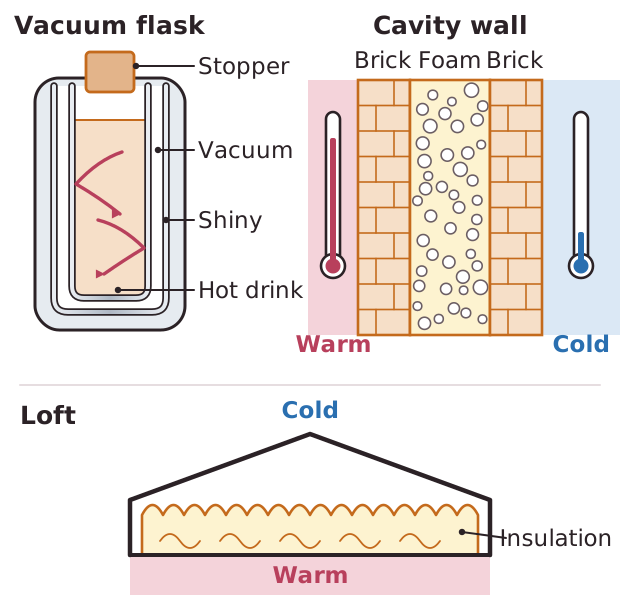
Buildings and containers lose thermal energy to colder surroundings by conduction, convection and radiation. Thermal insulation slows these transfers, so less energy is wasted and heating costs fall.
Conduction is reduced by using poor conductors such as wool, foam and fibreglass. These materials trap pockets of air, which is a poor conductor. A thicker layer of insulation reduces the rate of energy loss further, which is why loft insulation is laid deep.
Convection is reduced by trapping air so that it cannot circulate. Foam in the cavity between two walls, double glazing and draught excluders all do this. A vacuum flask has a vacuum between its walls, so there are no particles to carry energy by conduction or convection.
Radiation is reduced by shiny surfaces, which reflect thermal radiation. Foil behind a radiator reflects the energy back into the room, and the silvered walls of a flask reflect energy back into the drink.