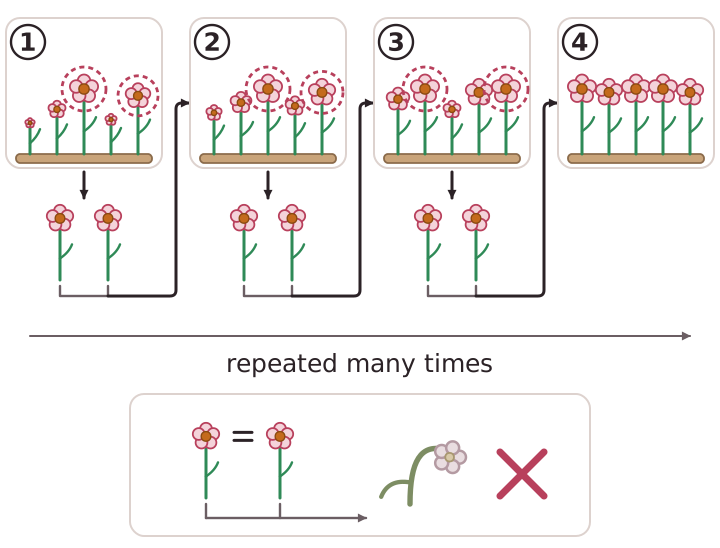
Selective breeding is when humans choose which organisms breed, so that useful characteristics are passed on. First decide on the characteristic wanted. Then choose parents that show it best and breed them together. Select the best offspring and breed from those. Repeat this over many generations until the characteristic is common in the whole population.
In food plants, selective breeding has produced crops with bigger fruits, higher yield, resistance to disease and tolerance of drought. In domesticated animals it has produced cows with a higher milk yield, hens that lay more eggs, sheep with more wool and dogs with a calm nature. The result is more food from the same land and animals that suit human needs.
There are drawbacks. Only the chosen individuals breed, so variation in the population falls. The animals or plants become closely related, and breeding between close relatives is called inbreeding. This increases the chance of inherited disorders. If a new disease arrives, there is little variation, so none may be resistant and the whole population could be lost.