The reactivity of a metal is how readily it reacts. We can compare metals by watching their reactions with water, with dilute acid and with solutions of metal salts. Potassium and sodium react very vigorously with cold water, calcium reacts steadily, and magnesium reacts only very slowly with cold water. In each case a metal hydroxide and hydrogen gas form. Copper, silver and gold do not react with water at all.
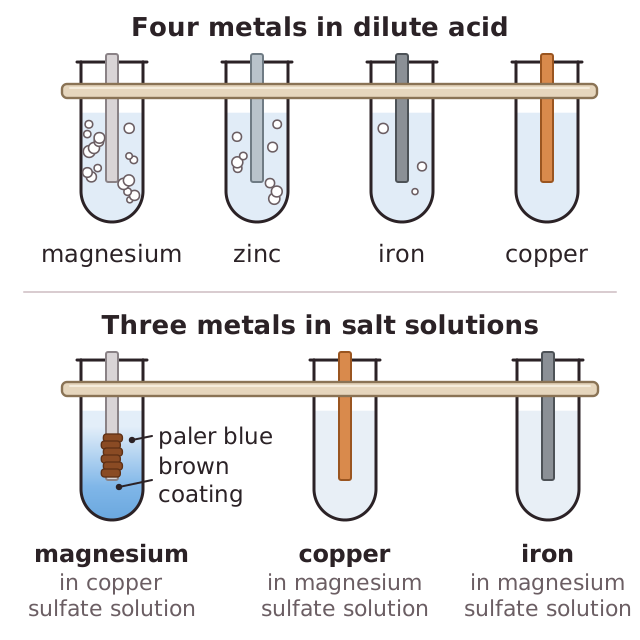
With dilute hydrochloric or sulfuric acid, metals above hydrogen give a salt and hydrogen. Magnesium fizzes rapidly, zinc fizzes steadily, iron reacts slowly and copper does not react. The faster the bubbles, the more reactive the metal. Hydrogen is tested with a lit splint, which makes a squeaky pop.
In a displacement reaction, a more reactive metal will displace a less reactive metal from a solution of its salt. Magnesium in copper sulfate solution makes the blue colour fade and a brown solid of copper form on the magnesium. Copper in magnesium sulfate solution does nothing. Iron displaces copper from copper sulfate but does not displace magnesium from magnesium sulfate. Collecting results like these lets you put metals in order of reactivity.