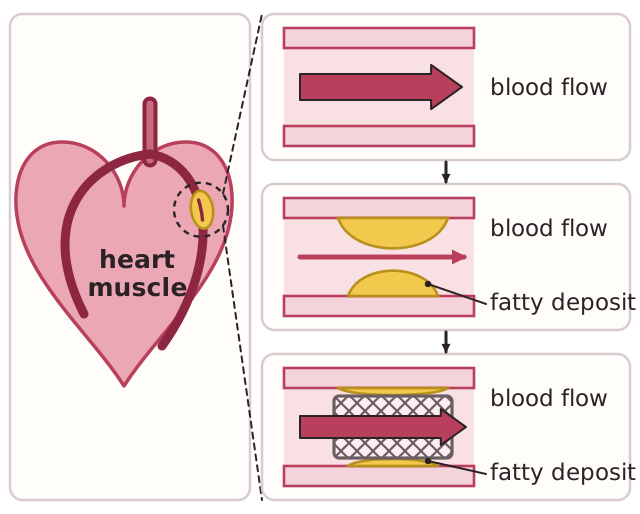
Cardiovascular disease affects the heart and blood vessels, for example when coronary arteries are narrowed by fatty deposits. There are three main approaches to treatment, and each has advantages and disadvantages.
Life-long medication includes statins, which lower the level of cholesterol in the blood, drugs that lower blood pressure, and anticoagulants, which reduce the risk of blood clots. They are cheap and easy to take and cut the risk of a heart attack. However, they must be taken for a lifetime, they can cause unwanted side effects and they do not remove a blockage that is already there.
Surgical procedures include fitting a stent, which is a small mesh tube that holds a narrowed artery open, a coronary bypass, replacing a faulty heart valve and a heart transplant. Surgery can treat a severe or urgent blockage quickly, so it is the best choice in those cases. However, it is expensive, it carries risks such as infection, bleeding and reactions to the anaesthetic, it needs time to recover from, and a transplant needs a donor and may be rejected by the immune system.
Lifestyle changes include stopping smoking, eating a balanced diet low in fat, taking more exercise and drinking less alcohol. They are cheap and have no side effects, and they lower the risk of the disease starting or getting worse. However, they rely on the willpower of the patient, take time to work and may not be enough alone for severe disease. Many patients are given a combination of treatments.