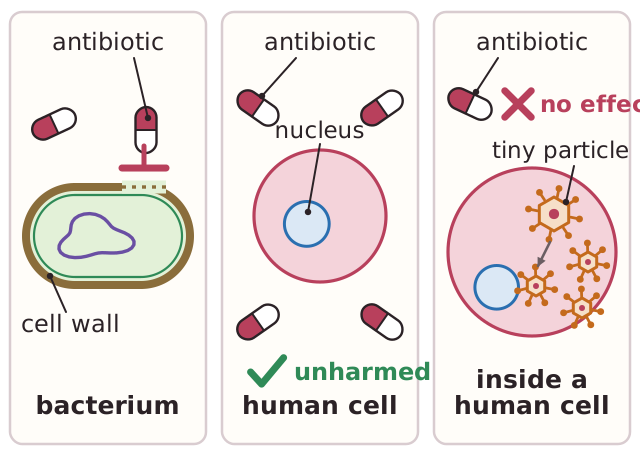
Antibiotics are medicines that kill bacteria or stop them growing. They work by inhibiting, which means blocking, cell processes inside the bacterial cell. For example, some antibiotics stop the bacterium from building its cell wall. Human cells have no cell wall, and the other processes that antibiotics block are different in human cells. So antibiotics harm the bacteria but not the host organism, which is the person being treated.
This is why antibiotics can only be used to treat bacterial infections. Viruses are not cells and they have no cell processes of their own. A virus reproduces inside the cells of the host, using the host cell's own machinery. A drug that stopped a virus from reproducing in this way would also damage the host's cells.
Antibiotics therefore do not cure viral infections such as colds, flu or HIV. Different antibiotics work on different types of bacteria, so the right one has to be chosen. Using antibiotics when they are not needed helps resistant bacteria to spread.