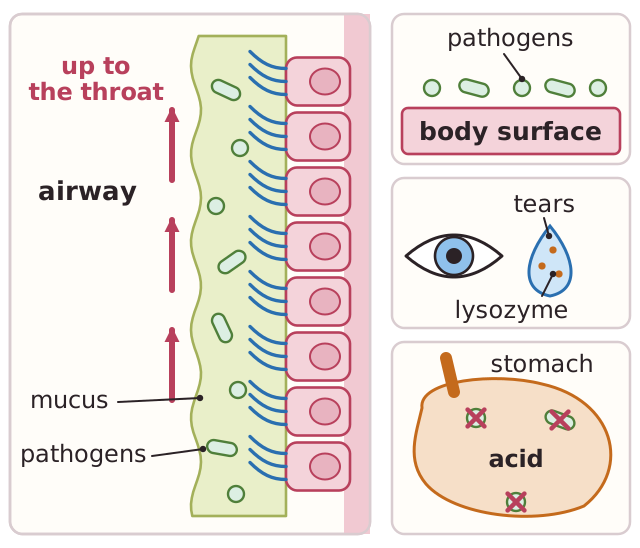
The body has a first line of defence that tries to stop pathogens getting in. The skin is a physical barrier. While it is unbroken, most pathogens cannot get through it. The airways are lined with cells that make sticky mucus. The mucus traps pathogens that are breathed in. Tiny hairs on these cells, called cilia, sweep the mucus up to the throat, where it is swallowed. If cilia are damaged, pathogens are more likely to reach the lungs.
The body also has chemical defences. Lysozymes are enzymes in tears and saliva. They kill bacteria by breaking down their cell walls. Hydrochloric acid in the stomach kills most of the pathogens that are swallowed with food, drink or mucus.