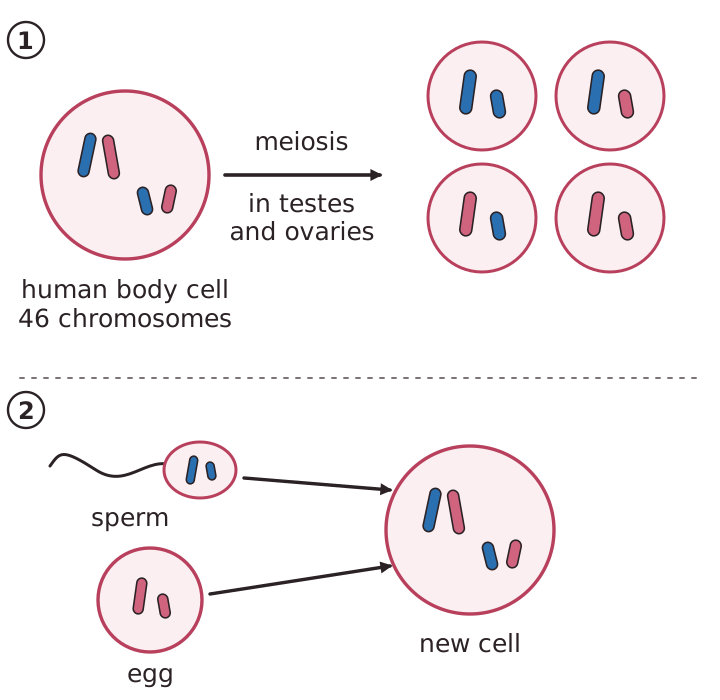
Meiosis is a type of cell division that happens only in the reproductive organs, where it makes gametes (sex cells). In humans these are sperm cells in the testes and egg cells in the ovaries. You do not need to know the stages of meiosis, only what it does and why it matters.
A body cell has two copies of every chromosome, so it is diploid. In meiosis one diploid cell divides to produce four daughter cells. Each daughter cell has half the number of chromosomes of the parent cell, so each one is haploid. A human body cell has 46 chromosomes, so a human gamete has 23.
The four cells are not identical to each other. Each one gets a different mix of the chromosomes and genes, so meiosis forms genetically different gametes. This is one reason why offspring of the same parents are not all alike. At fertilisation a haploid sperm fuses with a haploid egg and the full number of chromosomes is restored, so the fertilised egg has 46 chromosomes again.