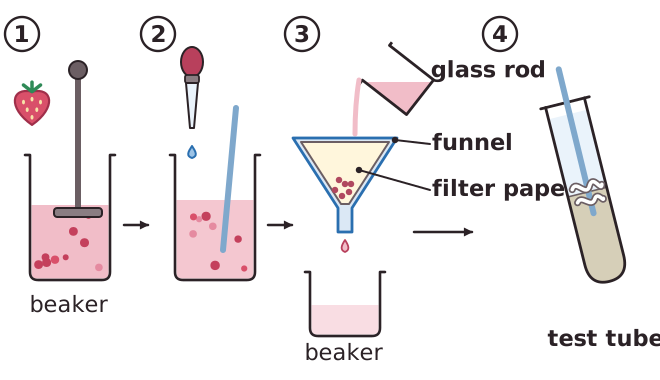
DNA can be extracted from fruit such as strawberries or kiwi fruit using simple equipment. Each step has a reason, and you need to be able to explain it.
First, the fruit is mashed up in a beaker. This breaks the fruit into small pieces and separates the cells from each other. Next, a mixture of detergent and salt is added. The detergent breaks down the cell membranes (and the nuclear membranes), which releases the DNA from the cells. The salt helps the DNA to clump together so it can be seen later.
The mixture is then filtered, which removes the solid pieces of cell wall and other debris and leaves a liquid containing the DNA. Finally, ice-cold ethanol is added slowly down the side of the tube so it forms a layer on top. DNA does not dissolve in ethanol, so it appears as a white, stringy material where the two layers meet. It can be lifted out with a glass rod or stick.