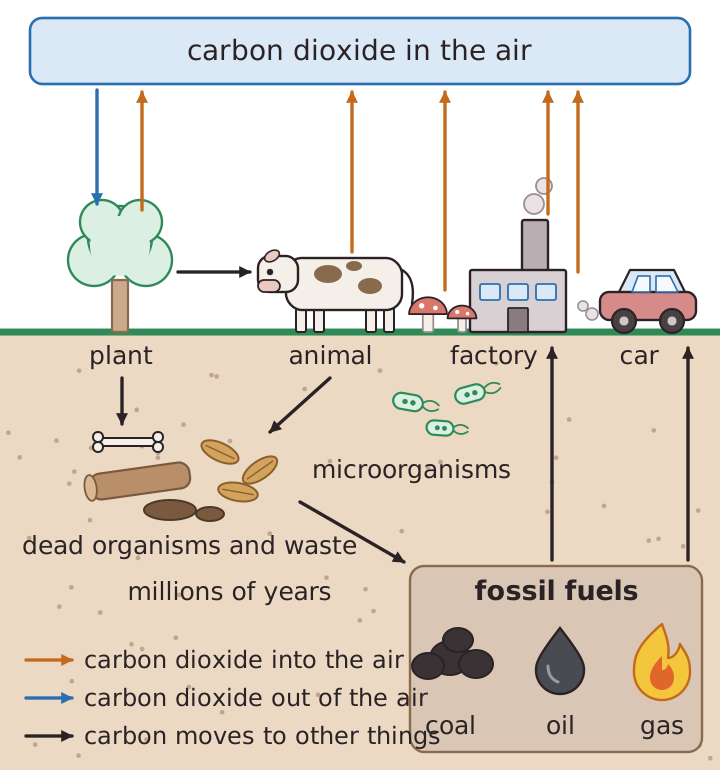
Carbon is found in all the compounds that make up living things, such as carbohydrates, fats and proteins. The carbon cycle keeps carbon moving between the air and living things, so there is always a supply and the amount of carbon dioxide in the air stays fairly balanced.
Plants remove carbon dioxide from the air by photosynthesis and use the carbon to make glucose and other compounds. Carbon passes to animals by feeding. Plants, animals and microorganisms all return carbon dioxide to the air by respiration. Burning wood and fossil fuels, called combustion, also releases carbon dioxide, so burning more fuel increases the level of carbon dioxide in the air. Fossil fuels formed from dead organisms over millions of years.
Decomposers are microorganisms, mainly bacteria and fungi, that break down dead organisms and waste. They release carbon dioxide by respiration and return other nutrients to the soil. Decay is fastest in warm, moist conditions with plenty of oxygen. Without decomposers, carbon would stay locked in dead material and could not be used again.