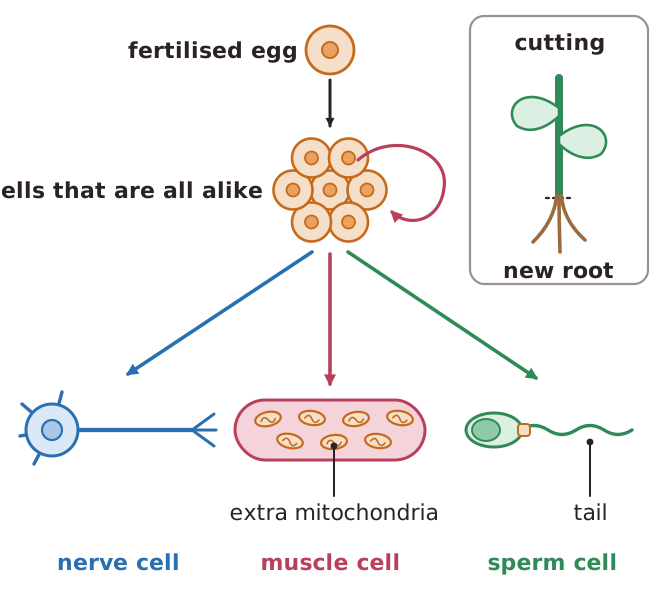
A stem cell is an undifferentiated cell, which means it has not yet become specialised for a job. It can divide to give many more cells of the same type, and other cells can arise from it by differentiation.
Embryos contain stem cells. Stem cells from human embryos can be cloned and made to differentiate into most types of human cell. In adult animals, stem cells from bone marrow can form many types of cell, including blood cells. In plants, meristem tissue can differentiate into any type of plant cell throughout the life of the plant.
Treatment with stem cells may help conditions such as diabetes and paralysis. In therapeutic cloning an embryo is made with the same genes as the patient. Its stem cells are not rejected by the patient's body, so they may be used for treatment. There are risks, such as transfer of viral infection, and some people have ethical or religious objections.
Stem cells from meristems can be used to produce clones of plants quickly and economically. Rare species can be cloned to protect them from extinction, and crop plants with a special feature such as disease resistance can be cloned to give farmers large numbers of identical plants.