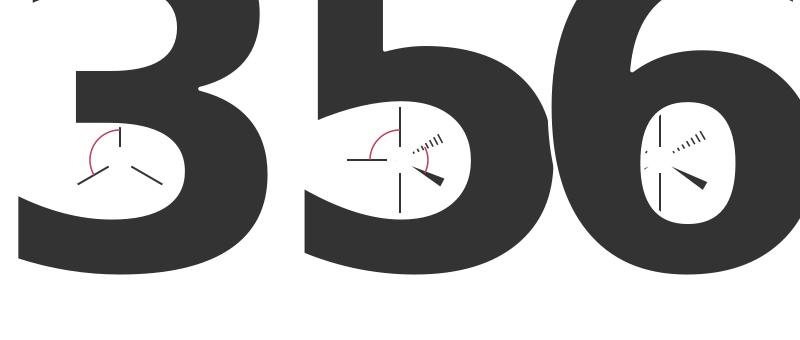
Electron pairs around a central atom repel each other and move as far apart as possible. This electron pair repulsion decides the shape of molecules with three, five and six bonding pairs.Boron trifluoride, BF3, has three bonding pairs and no lone pairs around boron. The shape is trigonal planar with bond angles of 120°.Phosphorus pentachloride, PCl5, has five bonding pairs. The shape is trigonal bipyramidal, with bond angles of 120° around the middle and 90° to the top and bottom.Sulfur hexafluoride, SF6, has six bonding pairs. The shape is octahedral with all bond angles 90°.Phosphorus and sulfur are in period 3, so they can use d orbitals and hold more than eight electrons in their outer shell. This is called expanding the octet.