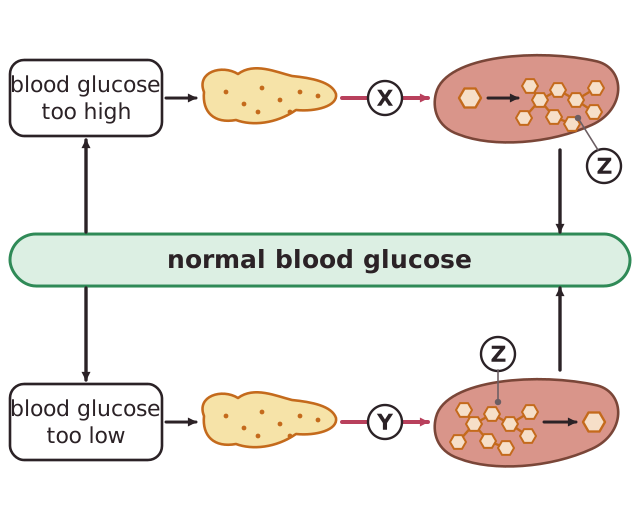
Between meals, or during exercise, cells keep using glucose and the blood glucose level starts to fall. If it drops below the normal range, the pancreas detects the change and releases a second hormone, glucagon, into the blood.
Glucagon is carried to the liver. There it makes the liver convert stored glycogen back into glucose, and the glucose is released into the blood. The blood glucose level rises back towards normal.
Insulin and glucagon are both made by the pancreas, but they have opposite effects. Insulin lowers the blood glucose level when it is too high, and glucagon raises it when it is too low. Working as a pair, they keep the level close to normal by negative feedback: each change in glucose triggers a response that reverses it.