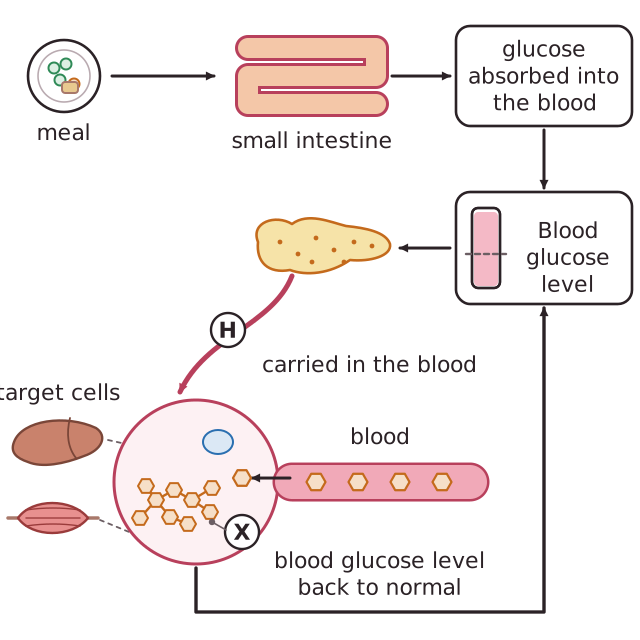
The sugar in blood is glucose, and cells need it for respiration. The blood glucose level must stay within a narrow range. If it is too high or too low, cells and organs cannot work properly. The pancreas monitors the blood glucose level and responds when it changes.
When you eat food containing carbohydrate, glucose is absorbed from the small intestine into the blood, so the blood glucose level rises. The pancreas detects this and releases the hormone insulin into the blood. Insulin is carried round the body and acts on the liver and muscle cells. It makes these cells take up glucose from the blood. The liver also converts glucose into glycogen, an insoluble store of energy.
As glucose leaves the blood, the blood glucose level falls back towards normal. The pancreas then releases less insulin. Without insulin, the blood glucose level stays higher than normal. Insulin is therefore part of a negative feedback system, because the response reverses the original change.