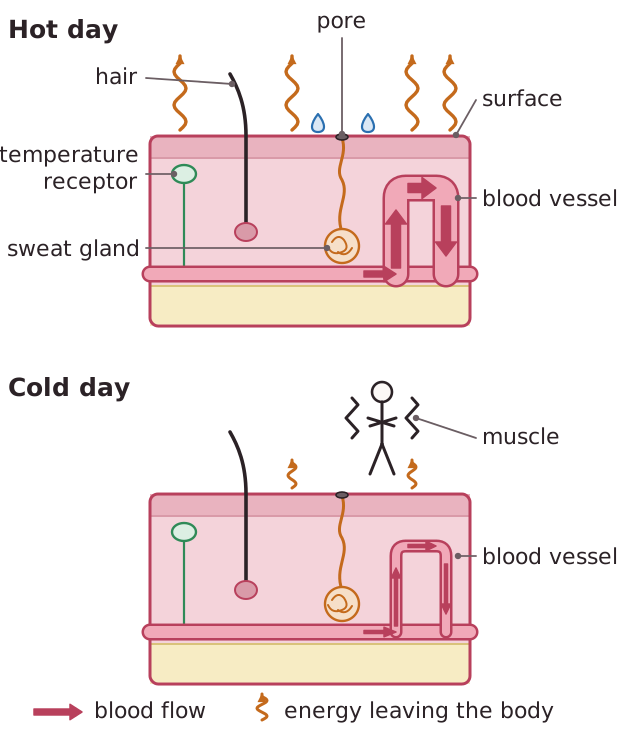
The skin plays a key part in controlling body temperature. Temperature receptors in the skin detect the temperature of the surroundings, and the brain also monitors the temperature of the blood. The brain then coordinates a response so that the core body temperature stays close to its normal level of about 37 °C.
When the body is too hot, the sweat glands in the skin release sweat. As the sweat evaporates from the skin surface it takes heat energy from the body, which cools you down. The blood vessels that supply the skin also get wider. This is called vasodilation. More blood flows through the skin near the surface, so more heat is lost to the surroundings.
When the body is too cold, sweating stops. The blood vessels supplying the skin get narrower, which is called vasoconstriction. Less blood flows near the surface, so less heat is lost. The muscles also contract rapidly in a response called shivering. Shivering needs respiration, which releases heat energy that warms the body. The blood vessels do not move closer to or further from the surface. Only their diameter changes.