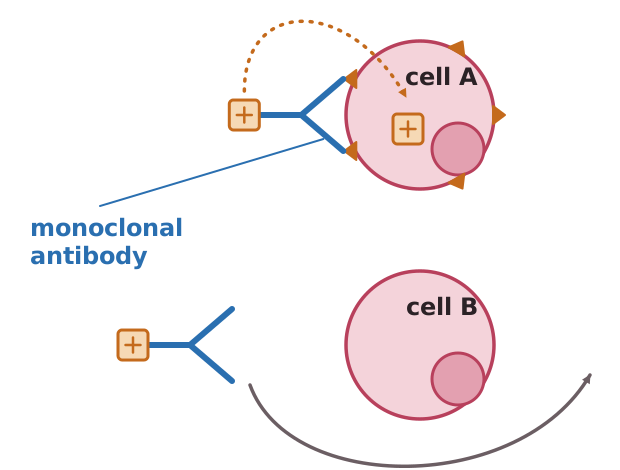
Monoclonal antibodies are very specific, so they can be used to find one particular antigen among thousands of other molecules. A pregnancy test is one example. A woman who is pregnant has the hormone hCG in her urine. The test strip contains monoclonal antibodies that bind to hCG, and when they do, a coloured line appears on the strip.
Monoclonal antibodies can also be used to detect disease. Prostate cancer cells can cause a rise in the amount of prostate-specific antigen (PSA) in the blood. Antibodies that bind to PSA can be used to detect it in a blood sample, which helps doctors decide whether further tests are needed.
Monoclonal antibodies could also be used to treat disease. Cancer cells have antigens on their surface that most healthy cells do not have. If a monoclonal antibody that binds to one of these antigens carries an anti-cancer drug, the drug is delivered mainly to the cancer cells, so fewer healthy cells are damaged.